Kettering and Vandalia face a growing problem as cast iron pipes enter a 50- to 70-year failure window. Homeowners have good reason to worry: failures can cause sewage backups, drain collapses, and contamination. This article explains the common signs and causes of cast iron failure, practical steps homeowners can take to reduce risk, and the FloodForce services that address damaged lines. Knowing the risks helps residents prepare and protect their homes.
What Are the Signs and Causes of Cast Iron Pipe Failure in Kettering and Vandalia?
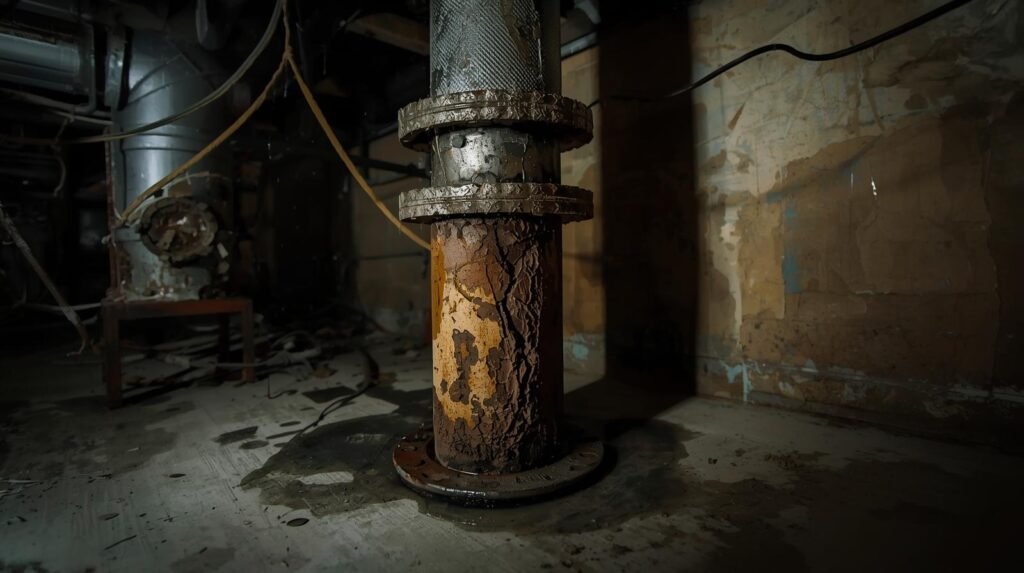
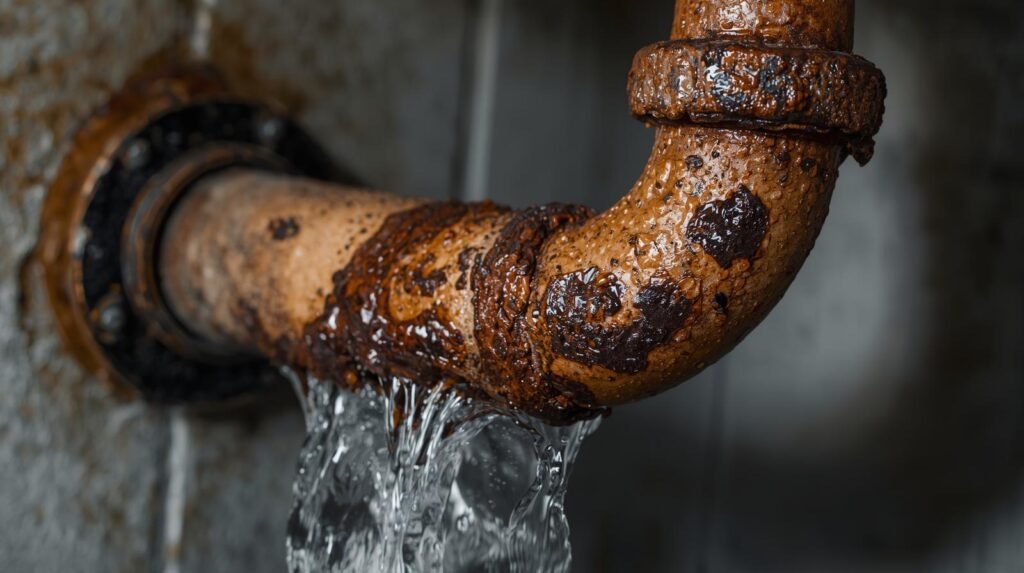
Common signs include frequent clogs, slow drainage, and unusual odors coming from drains. Corrosion is the primary cause, often accelerated by aging infrastructure and local factors such as soil composition, persistent moisture, and stray electrical currents. Spotting these signs early lets homeowners schedule inspections and repairs before a complete failure occurs.
How Does Aging Infrastructure Lead to Cast Iron Pipe Corrosion?
Over time, protective coatings on cast iron pipes break down and expose the metal to corrosive elements. Soil acidity, fluctuating moisture, oxygen exposure, and chemicals in the ground all speed the process. As corrosion advances the pipe wall thins and weakens, increasing leaks, breaks, and the likelihood of expensive repairs and possible health hazards.
What Are Common Indicators of Sewage Backup and Drain Collapse?
Watch for gurgling sounds from drains, water pooling near fixtures, and persistent foul odors. If several fixtures slow at once, the main sewer line may be blocked or failing. Addressing these indicators quickly can prevent larger collapses and more costly repairs.
How Can Homeowners Prevent Sewage Backup and Black Water Contamination?
Preventing sewage backup and black water contamination reduces health risks and property damage. Proactive measures—scheduled inspections, routine maintenance, and targeted flood-prevention installations—lower the chance of an emergency.
What Flood Prevention Systems Are Effective for Aging Sewer Lines?
Sump pumps, backwater valves, and flood barriers are commonly used to reduce sewer-related flooding. Sump pumps remove excess basement water, backwater valves prevent sewage from returning during heavy storms, and flood barriers protect vulnerable entry points. Combined correctly, these systems reduce the likelihood of sewage intrusion.
Which Maintenance Practices Reduce Black Water Risks in Homes?
Regular inspections and prompt repair of leaks or worn components are essential. Keep interior drains clear, avoid flushing non-degradable items, and ensure gutters and downspouts route water away from the foundation to prevent excess groundwater that can stress sewer lines.
What Drain Repair and Replacement Services Does FloodForce Offer in Vandalia and Kettering?
FloodForce provides drain repair and replacement services tailored to homeowners in Vandalia and Kettering. Their local experience helps them diagnose common cast iron pipe failure modes and recommend appropriate repairs or replacements.
How Are Drain Collapse Repairs Conducted and What Are Typical Costs?
Repairs generally begin with a camera inspection to locate and assess damage. FloodForce can use trenchless repair methods where feasible or traditional open replacement for more severe collapses. Costs depend on the extent of damage and chosen method—typically ranging from several thousand to tens of thousands of dollars—while FloodForce aims to balance cost with long-term reliability.
Why Choose FloodForce for Rapid Response and Local Expertise?
FloodForce emphasizes quick response times and local knowledge. Their team is available 24/7 for emergencies, giving homeowners reassurance during urgent plumbing problems. A focus on quality workmanship and customer service makes FloodForce a dependable choice for drain repair and flood-prevention work.
What Are the Risks and Cleanup Procedures for Black Water Contamination?
Black water contamination carries serious health and structural risks. It contains harmful pathogens and contaminants that require timely, professional cleanup to protect occupants and limit building damage.
Why Is Black Water Hazardous to Homes and Businesses?
Black water can contain bacteria, viruses, and other pathogens that cause gastrointestinal, respiratory, and skin infections. It can also saturate and damage building materials, leading to mold growth and costly structural repairs if not addressed properly.
What Steps Are Involved in Effective Black Water Cleanup?
Begin by evacuating affected areas and confirming everyone is safe. Trained professionals wearing appropriate PPE remove contaminated materials, thoroughly disinfect surfaces, and use drying equipment to eliminate moisture. Finally, evaluate long-term damage and complete repairs to prevent recurrence and restore a safe environment.
Conclusion
Understanding the risks associated with aging cast iron pipes empowers homeowners in Kettering and Vandalia to take proactive measures against potential failures. By recognizing the signs of deterioration and implementing effective flood prevention systems, residents can safeguard their properties from costly damages and health hazards. FloodForce offers expert services tailored to address these challenges, ensuring peace of mind for homeowners. Take the first step towards protecting your home by scheduling a consultation with FloodForce today.